

Advantages Of TR Yarn-Dyed Fabrics: Combining Polyester Performance With Viscose Comfort
Sep 19, 2026
Leave a message
As apparel manufacturers place greater emphasis on fabric performance, visual appeal and wearing comfort, TR yarn-dyed fabrics have become a versatile option for textile development. The combination of polyester and viscose, together with the distinctive color effects created through yarn-dyed production, allows manufacturers to achieve a practical balance between durability, comfort, appearance and design flexibility.
One of the key advantages of TR fabrics is the complementary nature of their fiber composition. Polyester generally provides good strength, abrasion resistance and dimensional stability, supporting durability during everyday wear. Viscose contributes a softer hand and good moisture absorption, which can enhance the overall feel of the fabric. By adjusting the blend ratio, manufacturers can create materials with different performance and comfort profiles.
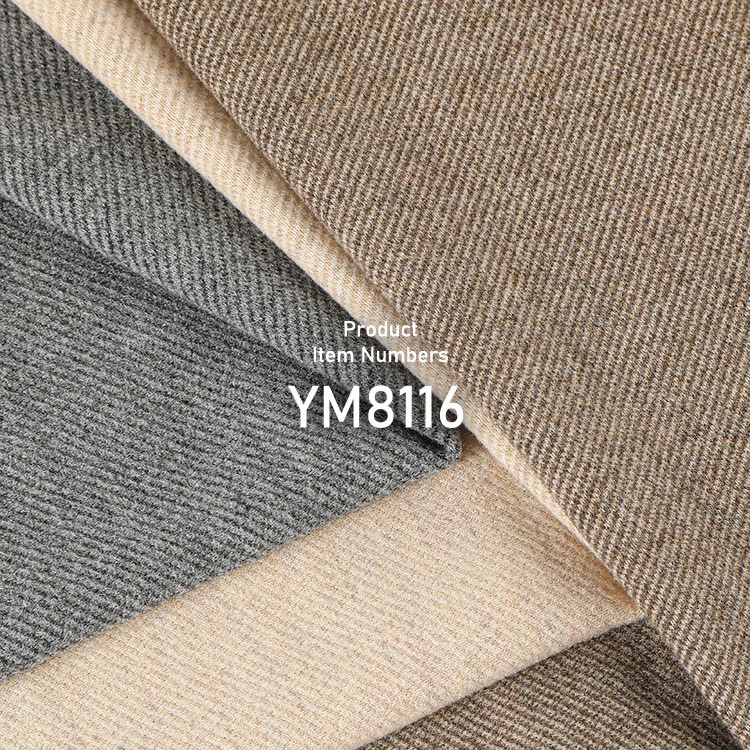
Color expression is another important advantage. Fibers in different shades can be blended during the spinning process, allowing the finished fabric to develop a natural mélange appearance. Subtle tonal variations add visual depth to the textile and are particularly useful for apparel colors such as gray, beige and navy, where a refined surface effect is often desired.
TR yarn-dyed fabrics also offer considerable design flexibility. Manufacturers can modify the polyester-viscose ratio while also adjusting yarn specifications, color combinations, fabric construction and finishing treatments. These variables can influence fabric weight, hand feel, luster and surface texture, giving apparel brands greater freedom when developing materials for different collections.
In practical garment applications, TR fabrics can provide a useful combination of durability and shape retention. The polyester component can contribute to abrasion resistance and dimensional stability, while the selected fabric construction can influence the garment's silhouette and wearing behavior. Actual performance depends on the specific fiber blend, construction and manufacturing process and should be evaluated through appropriate testing.
Another advantage is their broad product adaptability. TR yarn-dyed fabrics can be developed for business suits, professional uniforms, trousers, shirts, commuting apparel and other everyday garments. Different colors, yarn specifications and fabric constructions allow manufacturers to respond to a variety of styling and performance requirements.
From a product-development perspective, yarn-dyed production incorporates part of the color concept at the fiber and yarn stages. This makes it possible to create sophisticated blended shades and subtle surface effects without relying solely on a uniform color applied to the finished fabric. For products seeking a more distinctive textile appearance, this provides an additional design approach.
Overall, the advantages of TR yarn-dyed fabrics come from the complementary properties of polyester and viscose, combined with flexible color development and fabric engineering. Their balance of durability, comfort, visual depth and design adaptability makes TR materials a practical choice for textile manufacturers and apparel brands developing diverse contemporary products.
Send Inquiry