

Key Characteristics Of Fleece Fabric: Lightweight Warmth With A Soft And Comfortable Feel
Sep 20, 2026
Leave a message
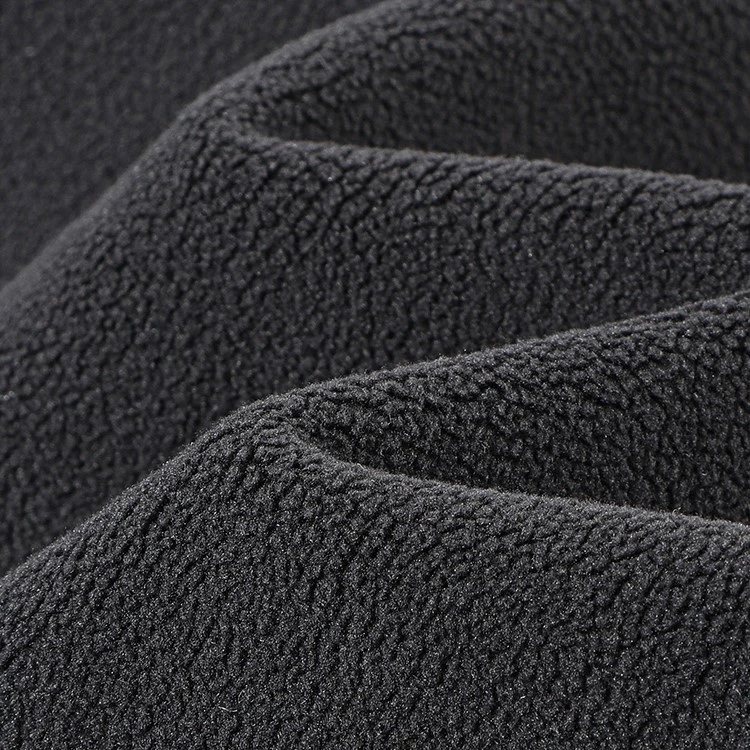
As autumn and winter apparel continues to place greater emphasis on lightweight insulation and wearing comfort, fleece fabric remains a widely used textile for clothing and outdoor products. Commonly produced as a knitted fabric and finished through processes such as brushing and napping, fleece develops a soft, raised surface with a distinctive hand feel and appearance.
Softness is one of the most noticeable characteristics of fleece. Finishing processes create a layer of fine, lofty fibers across the fabric surface, giving the material a smooth and comfortable touch. Compared with some heavier winter textiles, fleece can provide a warm and comfortable feel without adding excessive weight, making it suitable for garments designed for everyday movement.
Thermal insulation is another defining characteristic. The raised surface structure can trap pockets of air within and around the fabric, helping reduce rapid heat loss and contributing to warmth. Actual insulation performance varies depending on the fiber content, fabric weight, pile height and fabric density, so different fleece constructions can provide different levels of thermal protection.
Lightweight construction is also an important advantage. Compared with some bulky cold-weather fabrics, fleece can deliver useful insulation at a relatively low weight. This makes it particularly suitable for layering systems and garments such as fleece jackets, activewear and outdoor clothing, where freedom of movement and reduced bulk are important.
Fleece also offers good flexibility. Its knitted construction naturally provides a certain degree of stretch, while appropriate yarn selection and fabric engineering can further support ease of movement. Some fleece fabrics incorporate elastane to enhance stretch and recovery, making them suitable for more active applications.
Visually, fleece is recognized by its distinctive brushed surface. Variations in color, surface texture and pile height can create different aesthetic effects. Manufacturers can also use printing, paneling, bonding and other textile techniques to expand the design possibilities of fleece garments.
Overall, the key characteristics of fleece fabric include a soft hand, a lofty surface, lightweight warmth and good flexibility. Because fiber composition, fabric weight, construction and finishing can significantly influence performance, fleece should be selected according to the intended garment application and the environmental conditions in which it will be worn.
Send Inquiry