

Types Of TR Yarn-Dyed Fabrics: Diverse Blends For Different Textile Requirements
Sep 18, 2026
Leave a message
TR yarn-dyed fabrics are primarily based on polyester and viscose, but variations in fiber ratios, yarn construction, color combinations and fabric structures can produce materials with significantly different characteristics. As apparel development places greater emphasis on comfort, durability and visual appeal, TR fabrics have evolved into a diverse group of textile options. They can be categorized according to fiber composition, color effect, yarn specification and fabric construction.
One way to distinguish TR fabrics is by their polyester-to-viscose ratio. Fabrics with a higher polyester content generally place greater emphasis on strength, abrasion resistance and dimensional stability, making them suitable for garments that require reliable shape retention. Fabrics with a higher proportion of viscose can offer a softer hand and stronger moisture absorption characteristics, making them suitable for products where comfort is a primary consideration.
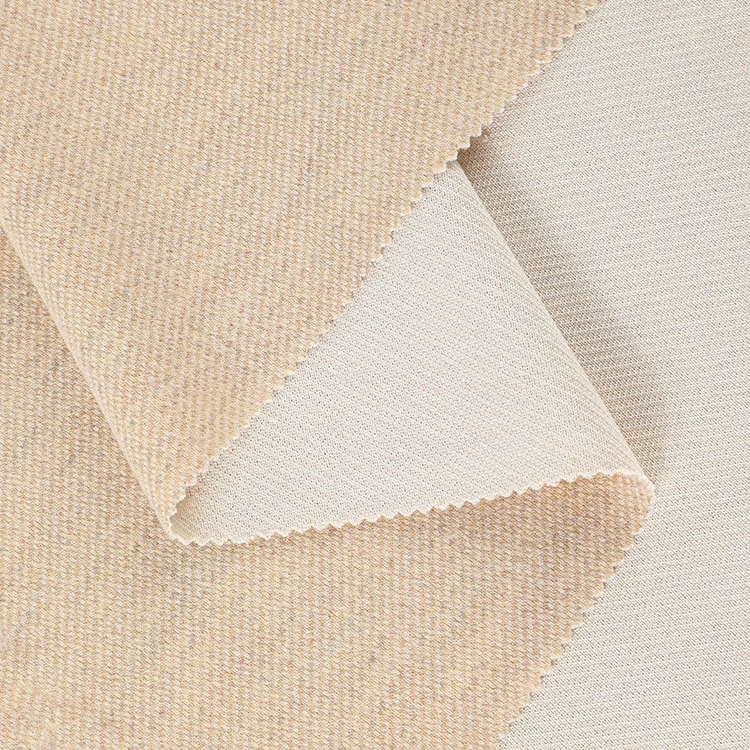
TR yarn-dyed fabrics can also be differentiated by their color effects. Single-tone blends, two-color mélanges and multi-color blends can be created by combining fibers in carefully selected shades and proportions. This approach can produce subtle color depth within the yarn and fabric rather than a completely uniform surface. Gray, beige, navy and brown are among the color families that can be developed through different fiber combinations.
Yarn specification provides another basis for classification. Finer yarns can create a smoother and more refined fabric surface, making them suitable for lightweight or finely constructed garments. Coarser yarns can produce a more pronounced texture and visual depth, which can be useful for fabrics that require greater substance or a more textured appearance.
TR yarn-dyed materials can also be produced as woven or knitted fabrics. Woven constructions generally provide a stable and structured fabric platform and are commonly considered for suits, trousers and uniforms. Knitted constructions can offer greater flexibility and a softer wearing experience, making them suitable for casualwear and selected athleisure products.
Finishing treatments can further expand the range of TR fabric types. Softening treatments can enhance the hand feel, while selected surface treatments can introduce additional texture or visual effects. The appropriate finishing method depends on the fiber composition, fabric construction and intended end use.
Overall, TR yarn-dyed fabric should not be viewed as a single standardized material category. Variations in fiber ratio, color combination, yarn specification, fabric construction and finishing can create a broad range of textile options. This flexibility allows manufacturers to develop TR fabrics for businesswear, uniforms, casualwear and everyday apparel according to specific product and market requirements.
Send Inquiry